
How Your Attachment Style Is Quietly Running Your Marriage
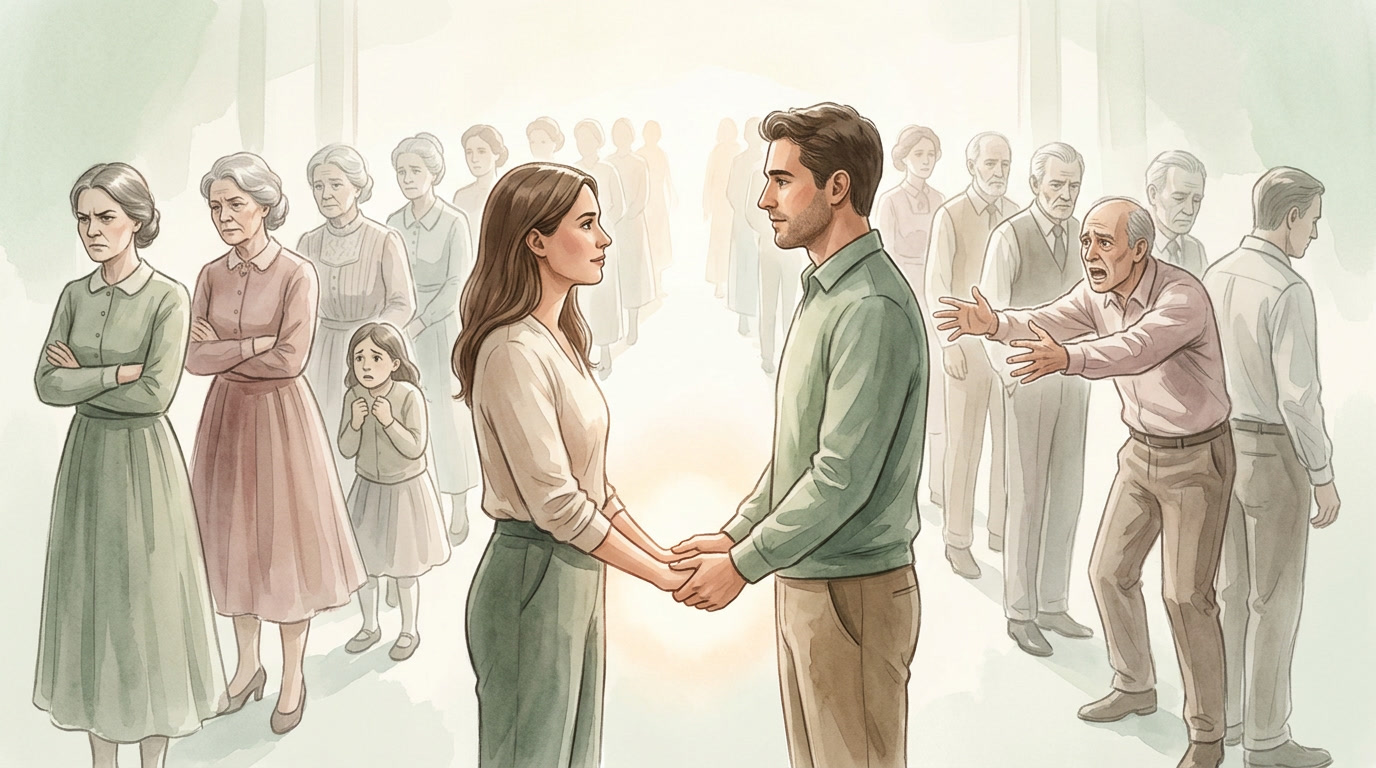
You chose your partner. But your attachment style — formed long before you met them — has been running in the background ever since.
- Attachment patterns are formed in early life and run automatically in adult relationships — below conscious decision-making
- The most common pairing is anxious + avoidant — one pursues, the other retreats, each activating the other's fear
- Attachment styles are not fixed — earned security is real and achievable through sustained relational work
- EMDR is particularly effective when attachment patterns are rooted in early trauma — insight alone often isn't enough
You chose your partner. You made a decision, fell in love, built a life. And yet — you keep finding yourself in the same dynamics, having the same arguments, feeling the same things, even when the circumstances have completely changed.
That's not a character flaw. It's attachment.
Attachment theory, originally developed by John Bowlby and extended by researchers including Mary Ainsworth and Sue Johnson, describes how humans develop internal models of relationships based on early caregiving experiences. These models shape how we seek and respond to closeness, how we handle conflict, and how we behave when a relationship feels threatened. The critical piece: these patterns are largely automatic. They run below the level of conscious decision-making.
The Four Attachment Styles
- Secure attachment develops when early caregivers were consistently available and responsive. In marriage, securely attached people tend to regulate conflict well and recover from ruptures relatively quickly.
- Anxious attachment develops when caregiving was inconsistent. In adult relationships, this often shows up as heightened need for reassurance, difficulty tolerating space, and a tendency to escalate rather than de-escalate. The underlying fear: I might lose you if I'm not careful.
- Avoidant attachment develops when emotional needs were consistently dismissed. In marriage, this shows up as emotional withdrawal under stress, discomfort with vulnerability, and a need for significant personal space. The underlying fear: closeness is dangerous; relying on someone means getting hurt.
- Disorganized attachment develops when the caregiver was both the source of comfort and the source of fear. In adult relationships, this shows up as highly variable behavior — sometimes pursuing intensely, sometimes fleeing, often both.
The Most Common Pattern in Couples Therapy
The pairing that shows up most consistently in couples work is anxious + avoidant — what clinicians call the pursuer-withdrawer dynamic.
One partner reaches: they want closeness, resolution, reassurance. When they don't get it, they reach harder. The other partner retreats: they want space, calm, time to process. When they're pursued, they retreat further.
From the outside — and often from inside the relationship — this looks like one person caring too much and one not caring enough. That is almost never the truth. Both people are attached and afraid. Their nervous systems are running incompatible protective strategies. The cycle is self-reinforcing: each person's response makes the other's fear worse.
The pursuing partner isn't being needy. Their attachment system is trying to maintain a connection it reads as threatened. The withdrawing partner isn't being cold. They're trying to protect both people from what they experience as overwhelming emotional intensity.
When a couple can name the cycle — "we're in the pursue-withdraw loop again" — instead of experiencing it as a personality conflict, the entire frame shifts. That reframe alone changes what's possible.
How to Start Working With Your Attachment Style
- Name your pattern without shame. Which style resonates? The question isn't which one you have — it's how it's showing up in your marriage right now.
- Understand the other person's logic. When a pursuer understands that withdrawal is a protective response — not rejection — the pursuit often softens. When a withdrawer understands that reaching isn't manipulation — the retreat often slows.
- Know that earned security is real. Attachment styles are not fixed. Research consistently shows that people with insecure attachment histories can develop secure functioning through sustained positive relational experiences. It takes time and repetition. It happens.
Why Insight Alone Often Isn't Enough
You can understand your attachment pattern completely — read the books, name the cycle, recognize it in real time — and still feel the pull to pursue or withdraw when triggered. That's because the pattern lives in the body, not the mind. It was encoded before language, and it doesn't update through language alone.
For people whose attachment patterns are rooted in early trauma or adverse experiences, EMDR can address the underlying wound more directly than talk therapy alone. If you find yourself having clear insight about your patterns but unable to change your behavior in the moment — that gap between understanding and response is often where EMDR is most effective.
Learn more about EMDR for attachment and relational trauma:
EMDR therapy — how it works and who it helps →Explore couples therapy in San Antonio:
Marriage counseling in San Antonio: what to expect →Take the relationship self-assessment:
What's really happening in your relationship? →The Pattern Makes Sense.
It Can Also Change.
Schedule a free 15-minute consultation. No commitment — just a real conversation about where you are.
Schedule a Free Consultation